
Scoliosis
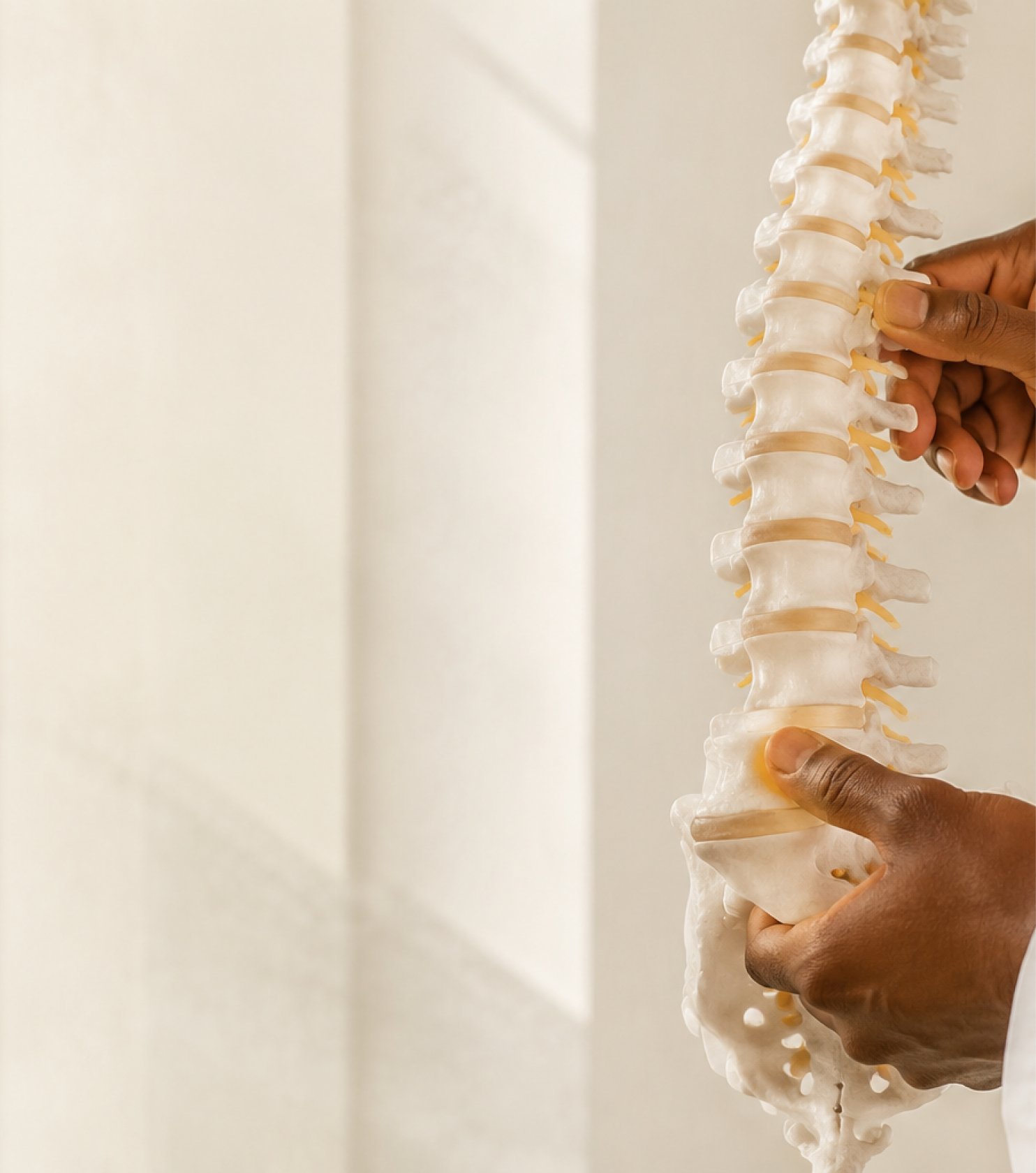
Scoliosis is an abnormal curve of the spine. In adults, it most often develops as the discs and joints wear down with age, and it can cause back pain, leg symptoms and changes in posture.
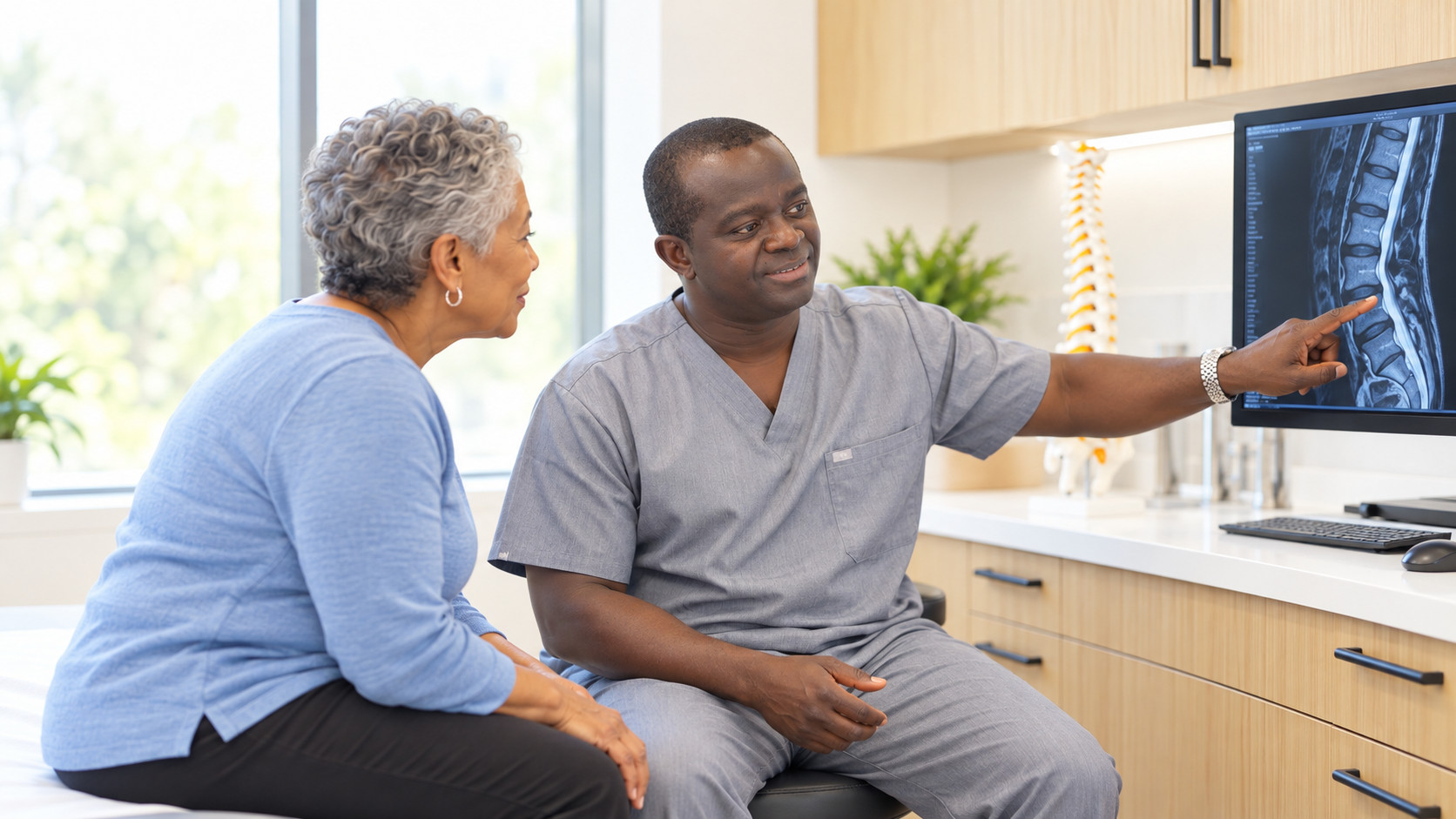
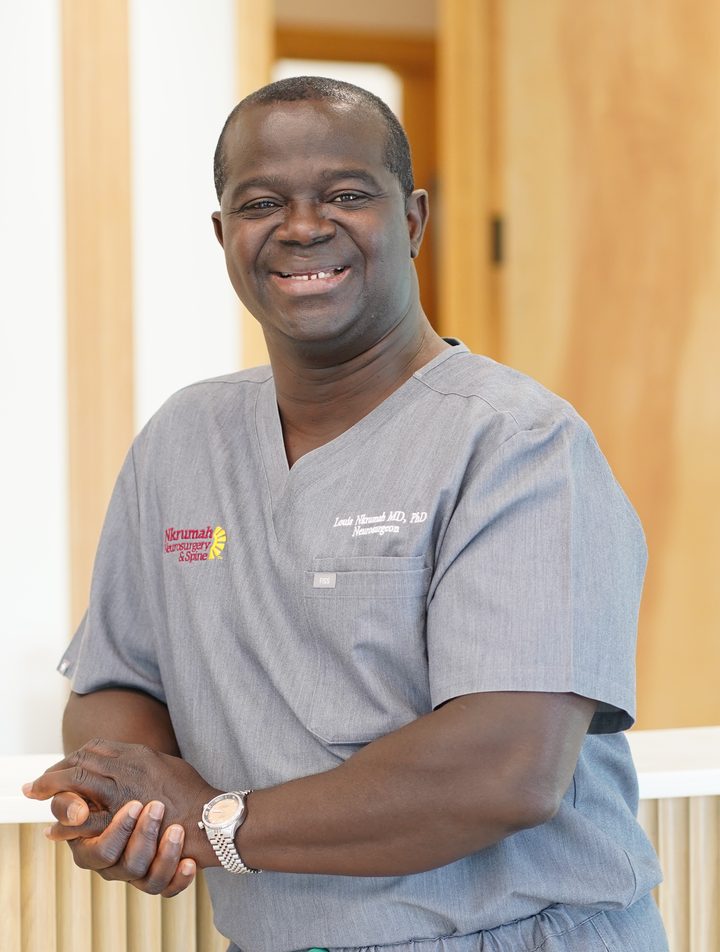
Experience with complex spine and brain conditions
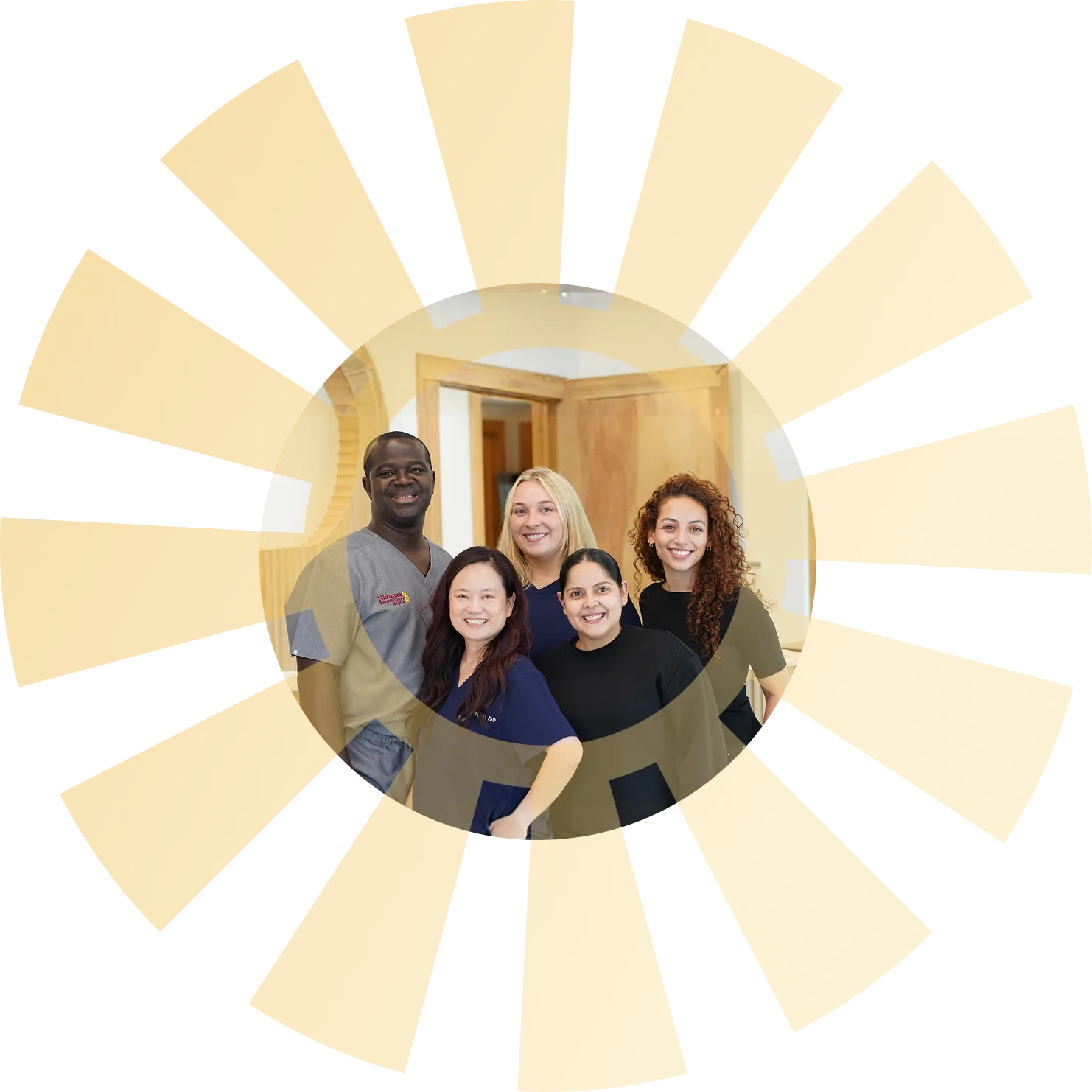
Dr. Nkrumah combines neurosurgical expertise with careful neurological evaluation and clear explanations of both nonsurgical and surgical options.
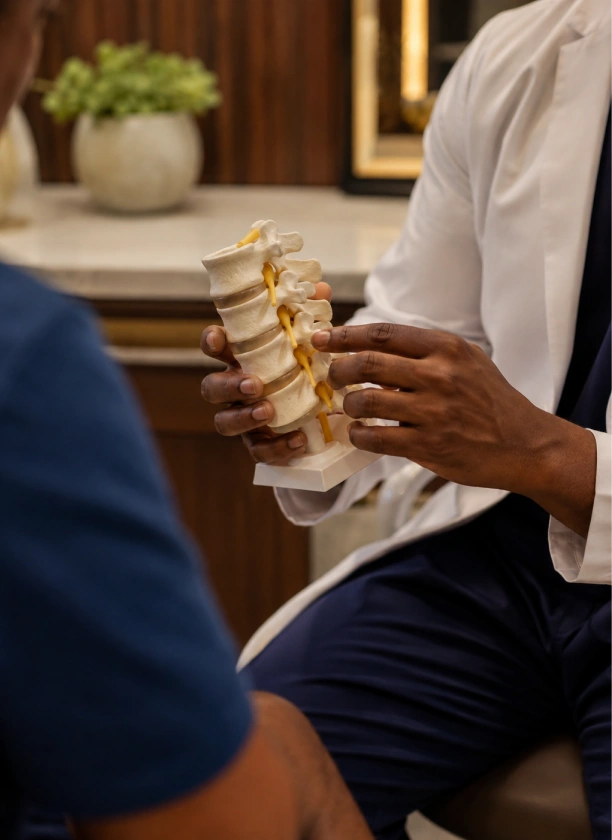
Conditions and treatments connected to scoliosis
Adult scoliosis often occurs with disc wear and spinal narrowing. These are the most closely related pages.
Care that meets you at the next question.
Treatment Options
Nonsurgical care, minimally invasive surgery and complex spine procedures, each explained on its own page.
Second Opinions
Dr. Nkrumah reviews an existing diagnosis and treatment recommendation, along with the imaging behind it.
Patient Stories
Patients describe their diagnosis, treatment and recovery in their own words.
Locations
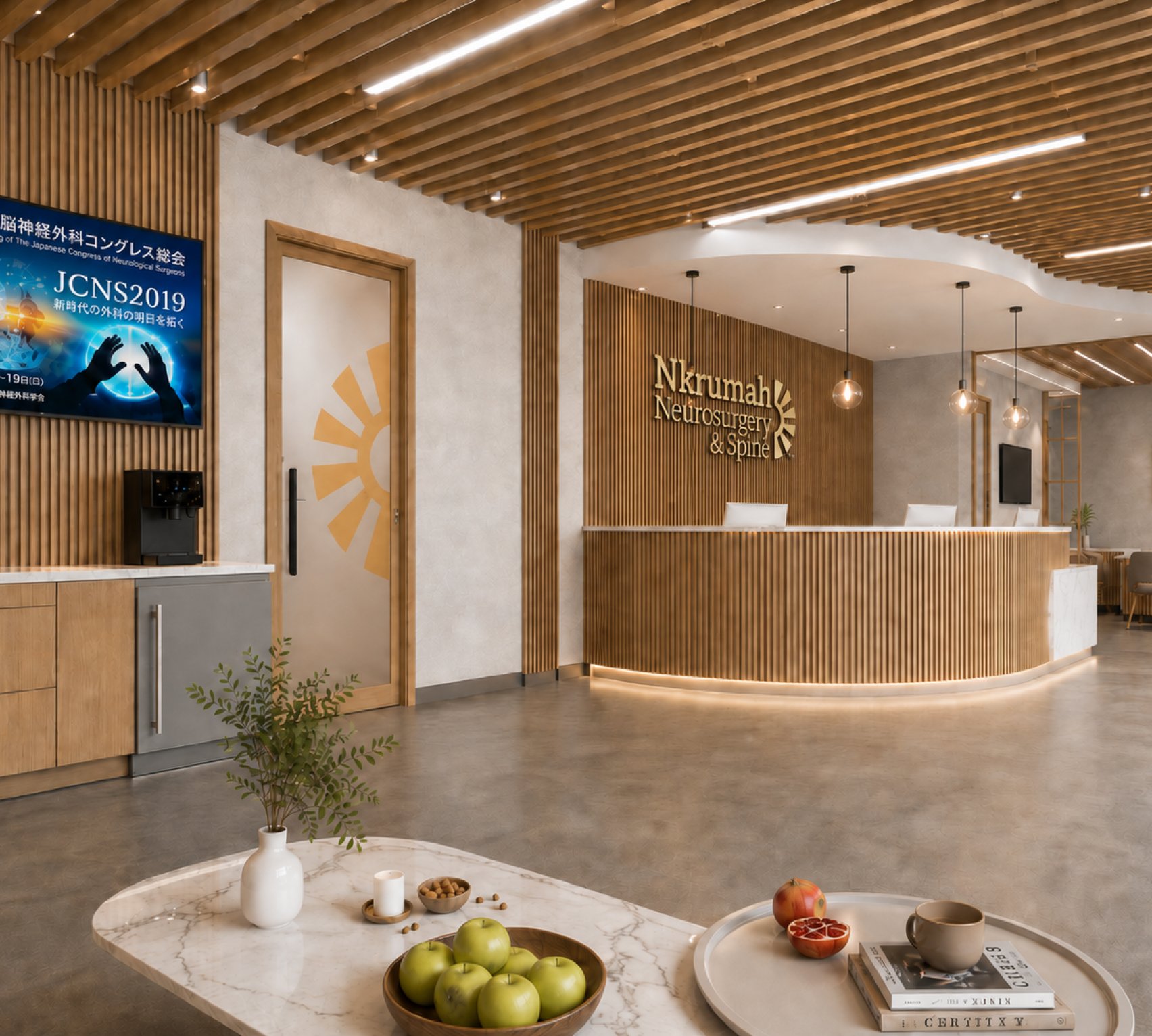
Dr. Nkrumah sees patients at his East Northport office, with surgery performed at partner hospitals across Long Island.
Frequently asked questions
Answers to common questions about scoliosis, how it is evaluated and when treatment is needed.
Can scoliosis develop in adults?
Yes. Degenerative scoliosis develops as the discs and joints wear down and is most common in adults over 65. Idiopathic scoliosis from childhood can also continue into adulthood.
Does scoliosis always need surgery?
No. Milder curves may only need monitoring, physical therapy or bracing. Surgery is considered for severe curves or when nerves are compressed.
What factors shape the treatment plan?
The degree of the curve, your symptoms, nerve compression, changes in height, weight, bone density and readiness for surgery all play a role.
You deserve clear answers about your symptoms and options.
Request an appointment to talk through your symptoms, imaging, and treatment options with our team.